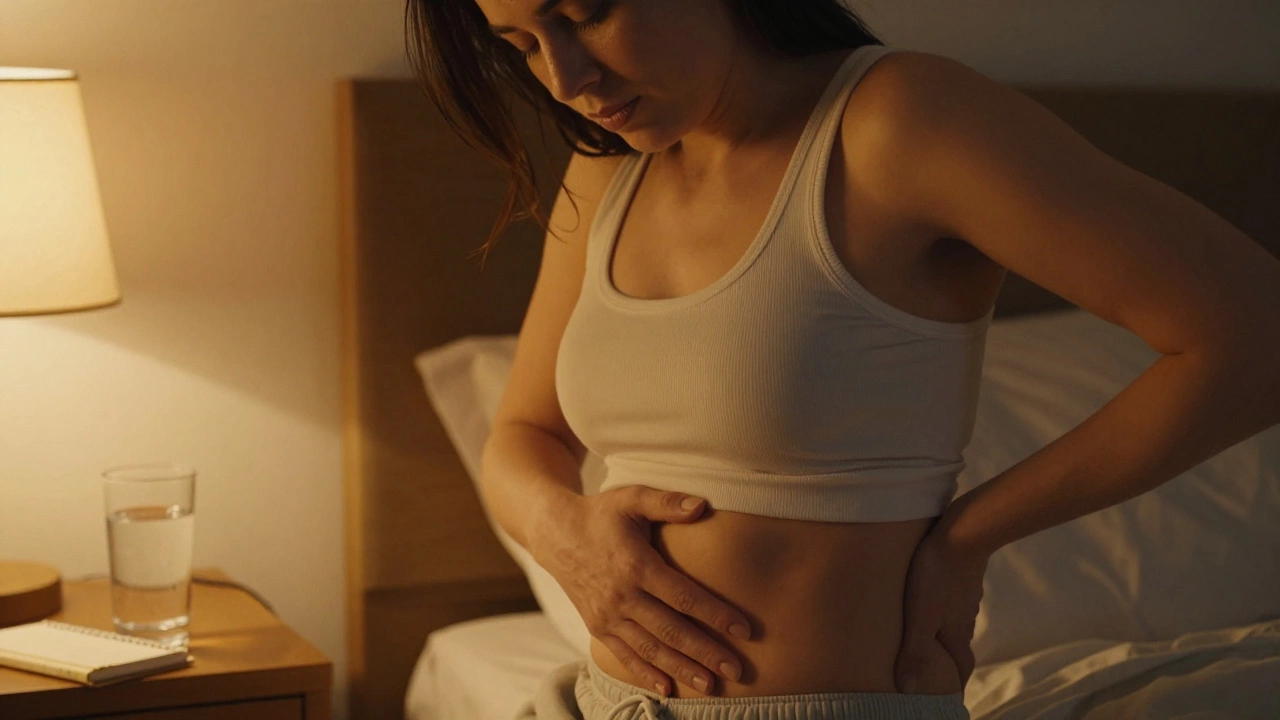
Sex work is work. It’s physical, emotional, and often isolating. Yet too many people talk about safety, clients, and income-and forget the most important tool in the job: your own body. You can have the best screening process, the tightest boundaries, the clearest contracts-but if you don’t take care of your sexual instrument, everything else crumbles. This isn’t about morality. It’s about sustainability. Your body isn’t a machine you rent out. It’s the engine you drive every day. And engines need maintenance.
Some workers in places like Dubai rely on informal networks to manage health and safety. If you’re navigating uae sex markets, you know how quickly things can shift. One missed test, one untreated infection, one ignored symptom-and you’re out of work, maybe for weeks. Or worse. The dubai red light area price isn’t just about what clients pay-it’s about the hidden cost of neglect. You don’t need a clinic on every corner to stay safe. You need a routine. A non-negotiable one.
What Does ‘Tending to Your Instrument’ Actually Mean?
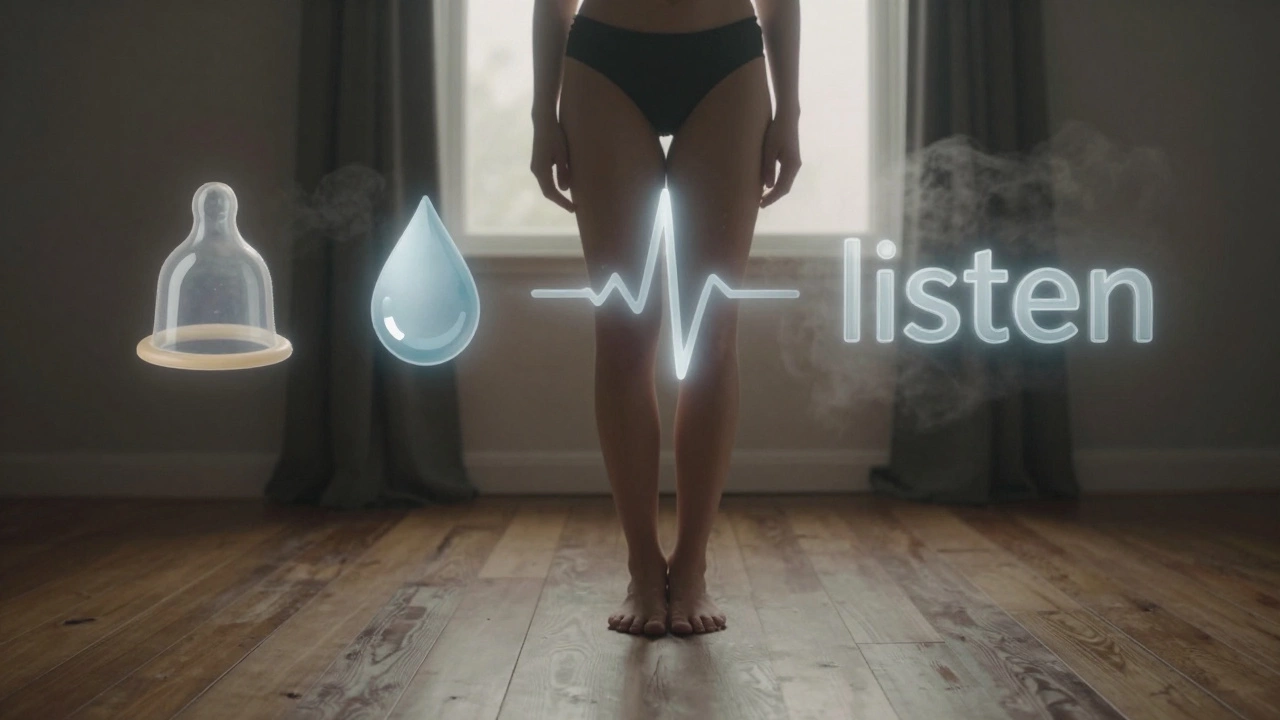
It’s not just condoms and tests. That’s the baseline. Tending means daily awareness. It means checking for changes-not just in your genitals, but in your skin, your nerves, your energy. Is your sensitivity different? Are you more sore than usual? Do you feel numb after a session? These aren’t signs of weakness. They’re signals. Your body talks. You have to listen.
Many workers skip checkups because they don’t have time. Others fear clinics because of stigma or legal risk. But you don’t need a hospital visit every week. A private nurse, a trusted community health worker, or even a telehealth service that respects your privacy can be enough. The goal isn’t perfection. It’s consistency. One quick self-check before bed. One monthly test. One conversation with someone who understands your line of work.
The Hidden Toll of Emotional Exhaustion
Sex work doesn’t just tax your body. It taxes your nervous system. You’re constantly switching modes-warmth to professionalism, intimacy to detachment, pleasure to performance. That’s not sustainable without recovery. Your nervous system needs downtime. Not just sleep. Real rest. Time without performance pressure. Time to feel your own touch without it being transactional.
Some workers use masturbation as a way to reconnect with their own pleasure outside of work. Others find relief in yoga, cold showers, breathwork, or just lying still with no agenda. There’s no right way. But if you’re not doing anything to reset your system, you’re running on empty. And when you’re running on empty, you’re more likely to take risks. To say yes when you should say no. To skip protection. To ignore pain.
Physical Care Beyond the Basics
Hydration matters. So does nutrition. Your body repairs itself when you eat real food-not just fast food or caffeine to stay awake. Protein helps tissue recovery. Zinc supports immune function. Magnesium eases muscle tension. You don’t need a dietitian. Just start with one change: drink a glass of water before every client. Eat one vegetable with every meal. That’s it.
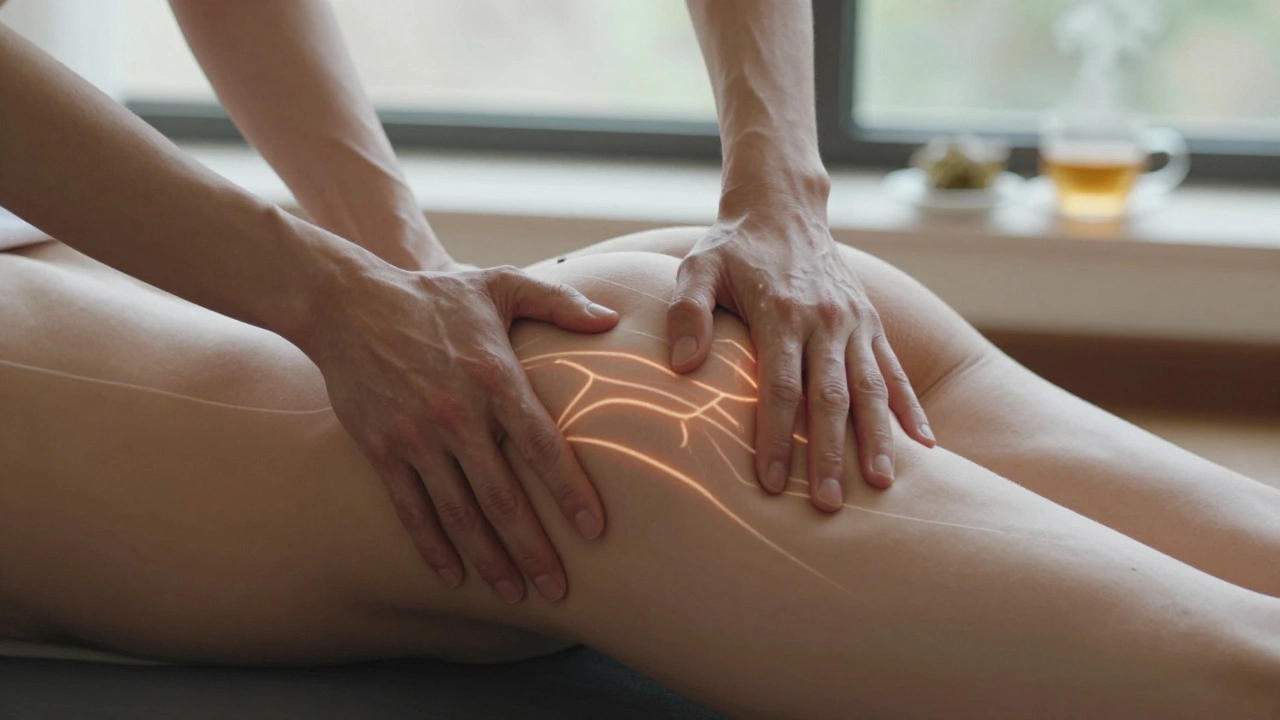
Stretching is often overlooked. If you’re on your feet all day, or in positions that strain your hips or lower back, you’re building up tension. Ten minutes a day of gentle stretching-especially for your pelvic floor, hamstrings, and lower back-can prevent chronic pain. You don’t need equipment. Just a mat, or even the floor.
And don’t ignore your hands. If you’re using them a lot, whether for touch, cleaning, or other tasks, they need care too. Moisturize. Stretch your fingers. Warm them before work. Your hands are part of your instrument.
What Happens When You Don’t Tend to It?
Chronic pelvic pain. Recurrent UTIs. Nerve damage. Loss of sensation. Depression. Burnout. These aren’t rare outcomes. They’re common among workers who’ve been in the field for years without self-care routines.
One worker in Bangkok told me she stopped feeling pleasure altogether after seven years. Not because she didn’t want to-but because her body had shut down to protect itself. She didn’t realize it until she tried to have sex with a partner and couldn’t feel anything. That’s not just physical. It’s psychological. And it’s preventable.
Another in Manila developed a severe vaginal infection because she skipped tests for over a year. By the time she went to a clinic, she needed antibiotics for six weeks. She lost income. Lost confidence. Lost trust in her own body.
These aren’t horror stories. They’re statistics. And they’re avoidable.
Community and Shared Knowledge
You don’t have to do this alone. In cities like Bangkok, Mexico City, or even Berlin, sex workers run peer-led health collectives. They share test results anonymously. They recommend trusted nurses. They warn each other about risky clients-not through gossip, but through structured alerts. You don’t need a big group. Just one person you trust to check in with.
If you’re in Dubai, you might hear about the dubai prostitutes scene online. But the real networks aren’t on social media. They’re in WhatsApp groups. In back rooms of cafes. In quiet conversations after shifts. Find those spaces. Ask questions. Share what you know. Your survival depends on it.
It’s Not About Perfection. It’s About Consistency.
You don’t need to do everything perfectly. You don’t need to journal every symptom or take supplements daily. But you do need to build one habit that sticks. Maybe it’s drinking water before every job. Maybe it’s checking for swelling after every client. Maybe it’s scheduling one test every 30 days, no matter what.
That one habit becomes your anchor. When everything else is chaotic-when clients cancel, when police raid, when you’re exhausted-you still have that one thing you do for yourself. And that’s enough to keep you going.
Your body is not disposable. It’s not a tool you can break and replace. It’s the only one you’ve got. And it’s the most important asset you own in this line of work. Tend to it. Not because someone told you to. Because you deserve to feel safe, strong, and whole-even on the hardest days.